
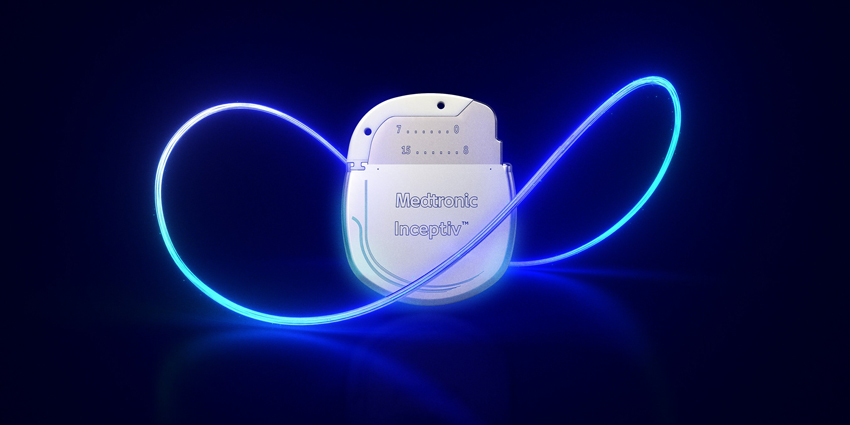

A new retrospective, multicenter study set out to determine ways to enhance spinal cord stimulation longevity and relate those results to incorporating opioid use in the treatment plan.
The study, “Long-Term Outcomes After Spinal Cord Stimulator Placement in Patients with Pre-procedural Active Opioid Use Versus Patients Who Were Opioid-Naïve,” appears in the January 2024 edition of Pain Physician.
“The effect of opioids on patients goes beyond pain relief. What we wondered was the relative effect of the longevity of spinal cord stimulation,” explained co-author Tolga Suvar, M.D. assistant professor in the Department of Anesthesiology and Pain Medicine at Rush University Medical Center in Chicago.
“We were interested in the questions, ‘What can we do to improve spinal cord stimulation longevity and what happens to patients who take opioids prior to spinal cord stimulation placement?’”
Mining the HCA Healthcare national database, the researchers were collecting data regarding device explantation at 6 months and 12 months. Secondary outcome measurements included reoperations and readmissions at 6 months and 12 months, as well as operative complications.
Among the conclusions from the study, the team found evidence that patients who used opioids preoperatively had higher 6-month (3.6% vs. 2.6%) and one-year device explant rate (3.6% vs. 2.8%).
In terms of the likelihood of either a 6- or 12-month readmission, the research team also found no difference between patients requiring preoperative opioids and patients who were opioid-naïve.
Regarding odds of reoperation, the team found that patients requiring preoperative opioid treatment had increased odds of reoperation at 6 months. There was, however, no statistically significant difference in terms of complications between the two cohorts.
Dr. Suvar: “The main results of our study support the primary hypothesis that individuals requiring preoperative opioids had higher explantation and reoperation rates than those who were opioid naïve. This study naturally raises the question of whether morphine milligram equivalents can be titrated to meet the ‘sweet spot’ of an individual’s opioid requirements, which may minimize explantation risk preoperatively and perhaps even increase the patient’s likelihood of postoperative freedom from opioids.”
“Lastly, this study also found that patients with Medicaid insurance were associated with worse overall spinal cord stimulation therapy outcomes. More specifically, patients with Medicaid insurance had heightened rates of explantation at both 6- and 12-months and of reoperation at one year.”
“I would like colleagues to understand that there is long term data that supports the use of spinal cord stimulation with various new indications, but physicians need to be diligent about long term outcomes and keeping patients in therapy for compliance and prescribed electroceuticals.”
