
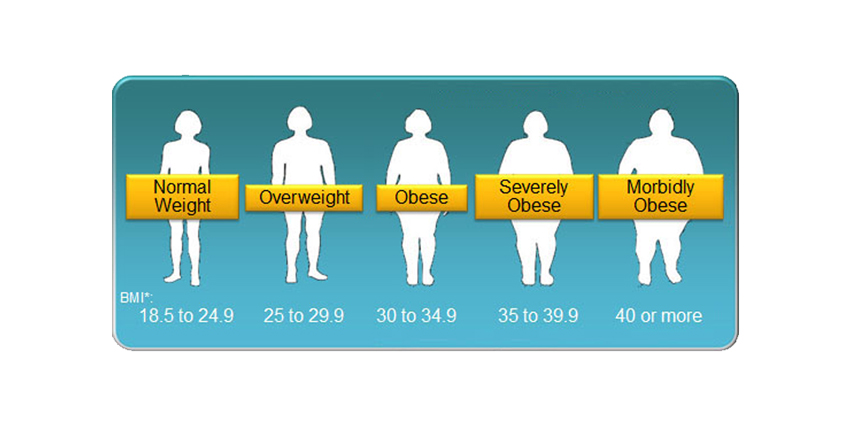
A new study from a Mass General/Harvard Medical School research team calculated the effects of body mass (measured using the BMI scale) on joint arthroplasty surgery facility costs and resource utilization. The full study, “Weighing the Impact: The Influence of Body Mass Index on Facility Costs in Total Joint Arthroplasty,” appears in the December 2024 edition of the Journal of Arthroplasty.
“This study was driven by the need to better understand the economic impact of patient-specific factors, such as BMI [body mass index], on total joint arthroplasty (TJA) costs,” co-author Christopher M. Melnic, M.D. of Massachusetts General Hospital/Harvard Medical School, explained to OTW.
“Using time-driven activity-based costing, a novel methodology for accurately calculating healthcare costs, our team sought to uncover how BMI influences facility costs and resource utilization in a real-world, high-volume dataset. The findings could inform discussions on healthcare equity, resource allocation, and physician reimbursement.”
The team collected data from 7,340 total knee arthroplasties (TKAs) and 6,466 total hip arthroplasties (THAs) performed between 2019 and 2023, then stratified the patient data into four BMI categories:
- Index group: Less than 30% body fat (Body Mass Index: BMI)
- Study groups:
- Between 30% and less than 35%
- Between 35% to less than 40%
- Greater than or equal to 40% BMI.
The team found that costs rose in proportion to BMI rates, specifically:
- Patients whose BMI were between 30% and under 35%
- TKA:
- 3% higher personnel costs than patients whose BMI was under 30%.
- 1% higher supply costs
- 2% higher facility costs
- THA:
- no change in personnel costs
- 1% higher supply costs
- 1% higher facility costs
- Patients whose BMI were: between 35% and less than 40%:
- TKA
- 7% higher personnel costs
- 4% higher supply costs
- 5% higher facility costs
- THA
- 8% higher personnel costs
- 4% higher supply costs
- 5% higher facility costs
- Patients whose BMI is greater than or equal to 40% BMI
- TKA:
- 13% higher personnel costs
- 4% higher supply costs
- 8% higher facility costs
- THA:
- 8% higher personnel costs
- 3% higher supply costs
- 5% higher facility costs
- TKA:
- TKA
- TKA:
When factoring in demographics and comorbidities, the research team found that BMI values of 35%, 40%, and 45% were associated with 2%, 3% and 5%, respectively, increases in total facility costs for total knee arthroplasty procedures. For total hip arthroplasty, those same BMI values of 35%, 40% and 45% were associated with 3%, 5%, and 7%, respectively, increases in facility total costs.
“The most compelling result was the clear correlation between BMI and increased facility costs for both TKAs and THAs,” said Dr. Melnic.
“Patients with higher BMI categories had proportionally greater personnel and supply costs, leading to a 2–8% increase in total facility costs compared to those with lower BMI. These findings highlight the cumulative impact of obesity on healthcare resource consumption and emphasize the value of granular, patient-level cost analysis.”
When OTW asked how physician compensation models in this population should be addressed, Dr. Melnic said, “Physician compensation models should be revisited to account for the increased complexity and resource demands of treating patients with higher BMI.”
“Risk-adjusted procedural codes and value-based payment models tailored to BMI and other patient-specific factors could create a more equitable framework for compensating providers. This adjustment could potentially help to align incentives with the additional effort and resources required for complex cases. Hopefully, this will allow for sustainability for both public and private payors in the long run.”
“This study underscores the importance of moving towards patient-centered, cost-informed care models. Time-driven activity-based costing provides actionable insights that could guide hospital administrators, policymakers, and payors in developing targeted interventions to optimize resource utilization. Further research should focus on validating these findings across diverse healthcare systems and integrating risk-adjusted payment structures to promote equity in physician reimbursement.”
“Additionally,” Dr. Melnic told OTW, “our message for clinicians is that they should be aware of the heightened resource demands associated with higher BMI in TJA patients. Preoperative optimization programs aimed at weight reduction could reduce costs and improve outcomes. Simultaneously, beginning to understand these cost drivers supports advocacy for risk-adjusted payment models that reflect the true complexity of caring for this population.”
