
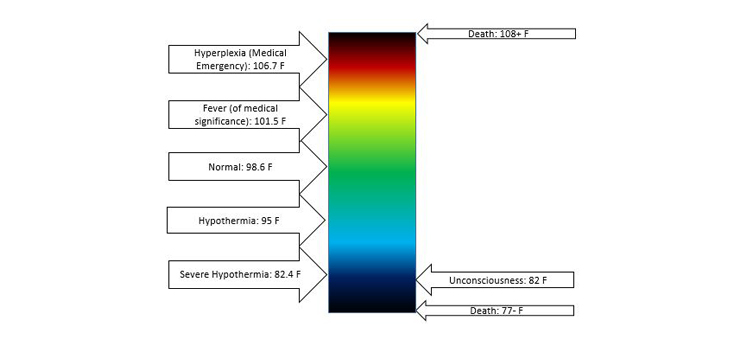
A new prospective observational study of 120 patients undergoing elective knee or hip arthroplasty sheds light on hypothermia in the perioperative period of lower extremity arthroplasty. How, the researchers wondered, can surgeons maintain appropriate temperatures while also minimizing infection risk.
The study, “Examination of intra-operative core temperature in joint arthroplasty: a single-institution prospective observational study,” was published in the November 2018 edition of International Orthopaedics.
Co-author Sylvia Wilson, M.D., associate professor in the Department of Anesthesia and Perioperative Medicine at Medical University of South Carolina Health-University Medical Center, told OTW, “As the population ages, a greater number of patients are seeking joint replacement. However, infection following arthroplasty can lead to increased morbidity and the need for additional surgery. We need to ensure that we are doing everything we can to minimize infection risks for our patients.”
“While prior publications demonstrated an increased risk of infection when patients experienced perioperative hypothermia with arthroplasty, they looked at mean temperatures. In this study, we wanted to examine how patients’ temperatures change throughout the perioperative period when they undergo lower extremity arthroplasty. We also wanted to identify patient characteristics or intraoperative times associated with an increased incidence of hypothermia.”
The authors wrote, “Most patients, 72.6%, experienced hypothermia with 20.6% hypothermic for over one hour and 47.1% hypothermic after surgery. In the multivariable model, increased odds of hypothermia were associated with female gender, knee arthroplasty, neuraxial anesthesia, lower patient pre-operative temperature, and lower operating room temperature. A 0.5 °C decrease in patient pre-operative temperature or operating room temperature was associated with a 97 and 11% increase in the odds of hypothermia, respectively, controlling for other factors.”
“By identifying characteristics and perioperative periods associated with hypothermia, future researchers can trial new strategies to maintain normothermia and minimize the infection risk to our arthroplasty patients.”
