
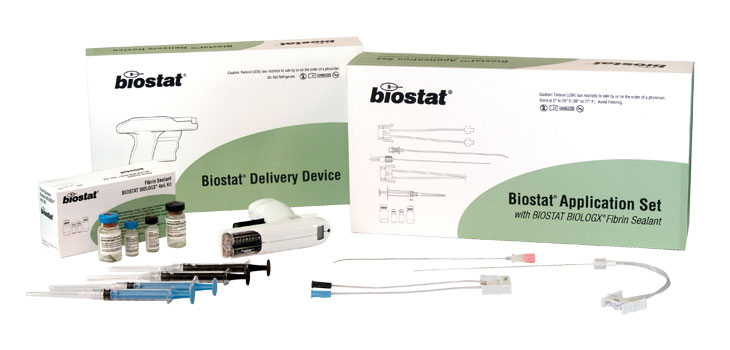
A Phase III study to demonstrate the efficacy for Spinal Restoration, Inc.’s Biostat systems has ended in disappointment.
One of our readers in the study posted on July 7, 2013 that he had been notified the study was being discontinued due to no significant difference between the test group and control group, the company issued a formal announcement on July 18, confirming the disappointing results.
”While the study outcome is unfortunate for our investors, clinical investigators, employees and many potential patients, ” said company President and CEO Gary Sabins, “the study data provide valuable insights into the nature of discogenic back pain and patient response to treatment. The results emphasize the critical importance of rigorously conducted, multicenter, randomized, controlled studies to demonstrate true efficacy of proposed therapies for discogenic low back pain.”
According to the company, the success criteria for primary analysis of the Phase III Investigational New Drug (IND) study of the system were not met. The proportions of successful patients that received the Biostat Biologx Fibrin Sealant or saline injection were not statistically significantly different when analyzed at the 26-week primary endpoint.
The Phase III IND study was conducted at 20 centers in the U.S. and randomized 220 subjects with single-level discogenic low back pain in a 3:1 ratio to injection of Biostat fibrin sealant or saline using the Biostat System. An additional 40 nonrandomized subjects received the sealant injections at two lumbar levels in a separate safety arm of the study. Study enrollment was completed in July 2012 and the study data was unblinded in early 2013 to conduct the primary endpoint analysis. Ninety-six percent of subjects completed the 26-week visit and 50% of subjects had completed the final 78-week extended follow-up visit at the time of the analysis.
At 26 weeks, 33.5% of subjects who received the fibrin sealant met the prespecified composite definition of subject success compared to 39.3% of subjects in the saline control arm. Clinically meaningful improvements in low back pain were achieved in 42.1% and 50.0% of Biostat and control subjects, respectively. Clinically meaningful improvements in the Roland-Morris Disability Questionnaire were achieved in 52.4% of Biostat subjects and 50.0% of control subjects. The outcomes reported in the subjects treated at two lumbar levels were very similar to the results of the one level subjects.
Sabins said the outcomes of the Phase III study are obviously very disappointing. “We were very encouraged by the results obtained in our preclinical studies and pilot clinical trial and expected the Phase III study to provide clear evidence of efficacy for the Biostat system. Many subjects achieved significant, long-lasting improvements in their condition. Unfortunately, the benefits provided by injection of [the fibrin sealant] with the Biostat System could not be distinguished from the benefits provided by injection of saline.”
Spinal Restoration was formed to identify and develop new, early intervention, minimally invasive therapies for the treatment of chronic low back pain. The Biostat system was the first endeavor. The company is currently determining the appropriate next steps for the Biostat system and the company.
